Article Title :
Data and Techniques Used for Analysis of Women Authorship in STEMM: A Review 

2(2018)
77-86
Women , Science , Research , Publications , Gender , Feminism , Authorship , Authorship puzzle




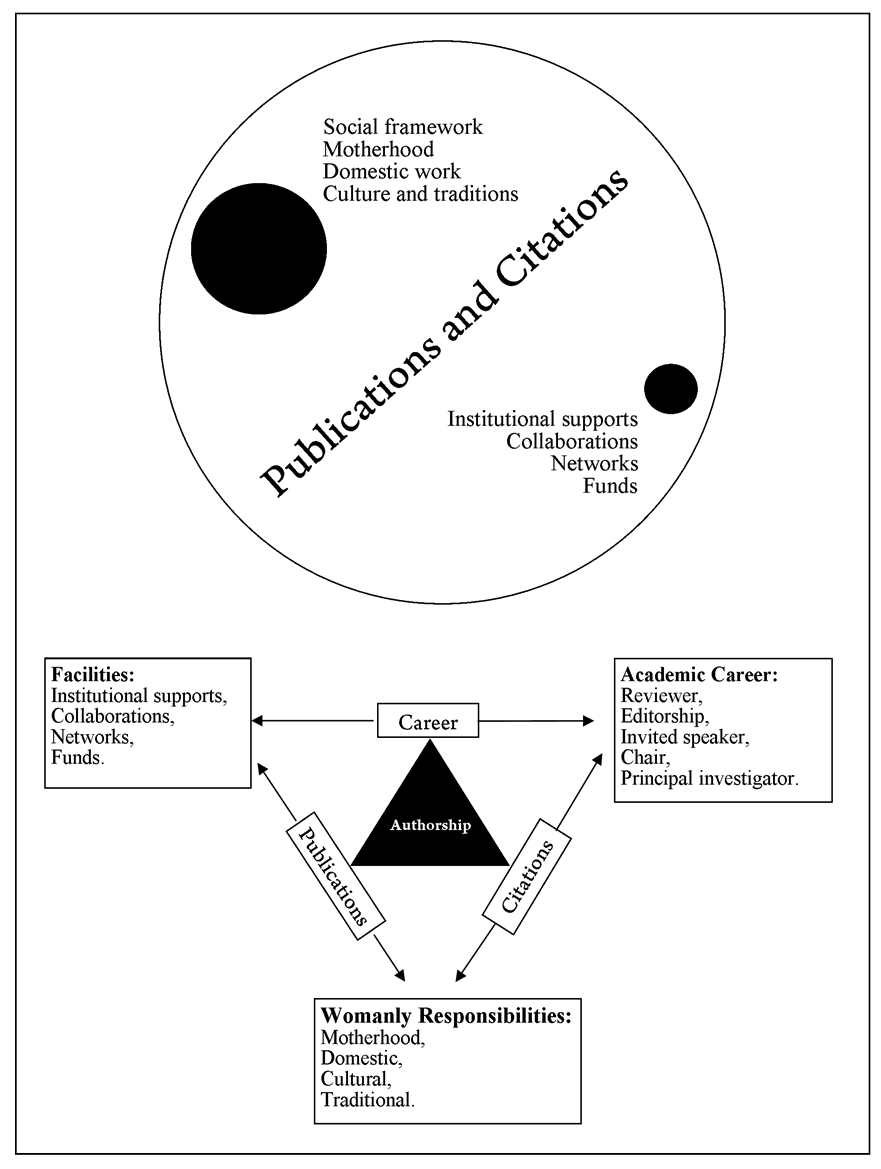
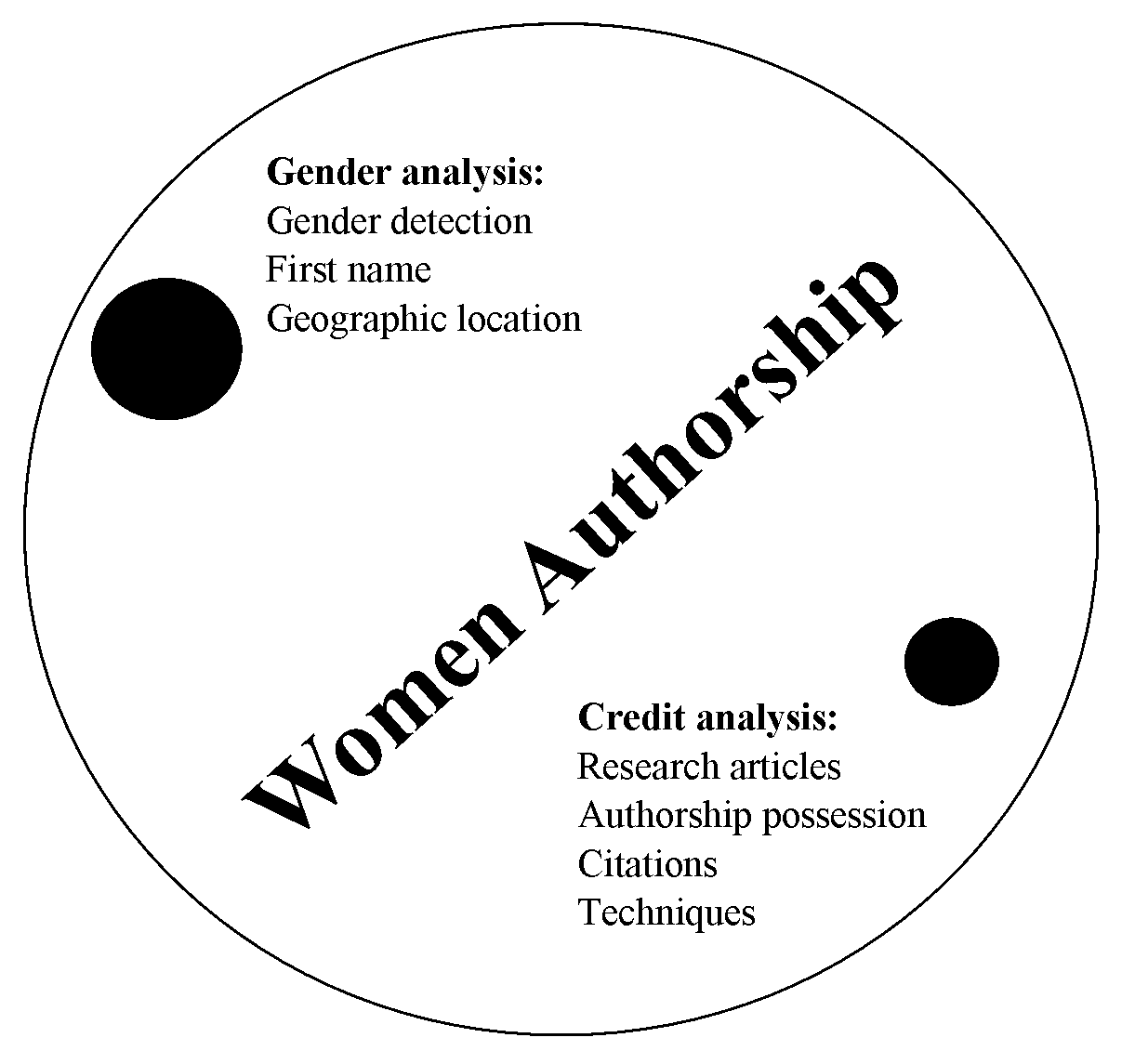
Women are underrepresented in authorship of scholarly articles published in Science, Technology, Engineering, Mathematics and Medicine (STEMM). The scholars have been analysed this representation of women using wide range of data, methods and techniques. Several studies have reported complementary results with gender disparity in authorship of scholarly publications. However, the reported results vary according to objectives of the study, size and source of the data, techniques and methods used for the analysis. Therefore, these results are specific to size and source of data, techniques and methods, academic fields, journals, regions, etc. and insufficient to reach global conclusions. The study concludes that: 1) available data is insufficient to include all scholarly authorships, 2) data and techniques used for detection of author’s gender need more geographic inclusions, 3) new techniques and methods should be adopted for more precise and inclusive analysis, and 4) the results, techniques and methods should be tested thoroughly from different sources of data and geographic conditions. The field is new, active, important and challenging area of research for equality and social welfare.
Women are underrepresented in authorship of scholarly articles published in STEMM.
Scholars have analysed representation of women using different data and techniques.
The applicability of the results is limited to used data and techniques.
Upcoming studies should adopt more inclusive approach.
The field is new, active, important and challenging area of research for gender equality and social welfare.
Cho, A. H., Johnson, S. A., Schuman, C. E., Adler, J. M., Gonzalez, O., Graves, S. J., Huebner, J. R., Marchant, D. B., Rifai, S. W., Skinner, I. and Bruna, E. M., 2014. Women are underrepresented on the editorial boards of journals in environmental biology and natural resource management. PeerJ, 2, e542.
Cole, S. and Zuckerman, H., 1984. The productivity puzzle: Persistence and change in patterns of publication of men and women scientists. Advances in Motivation and Achievement, 2, 217-258.
Macaluso, B., Larivière, V., Sugimoto, T., Sugimoto, C., 2016. Is science built on the shoulders of women? A study of gender differences in contributorship. Academic Medicine, 91(8), 1136-1142.